Water is an important part of your everyday life. You use it for cooking, bathing, cleaning, and running appliances like your dishwasher, washing machine, and water heater. But did you know that the type of water in your home, whether it’s hard or soft can affect your plumbing system?
Knowing the difference between hard and soft water can help you take better care of your home, save money, and avoid plumbing problems in the future.
What Is Hard Water?
Hard water contains high levels of dissolved minerals, primarily calcium and magnesium. These minerals enter the water supply as it moves through limestone and chalk deposits underground.
Signs you may have hard water include:
- Soap scum or residue on sinks and tubs
- White spots or streaks on dishes and glassware
- Dry skin or dull hair after showering
- Reduced lather from soap or shampoo
- Mineral buildup on faucets or showerheads
What Is Soft Water?
Soft water, by contrast, has low concentrations of calcium and magnesium. Some areas have naturally soft water, but in most cases, water softening systems are used to remove hardness-causing minerals.
Benefits of soft water include:
- Cleaner dishes and brighter laundry
- Softer skin and smoother hair
- Better soap and shampoo lather
- Fewer water spots and less residue
- Longer lifespan for water-using appliances
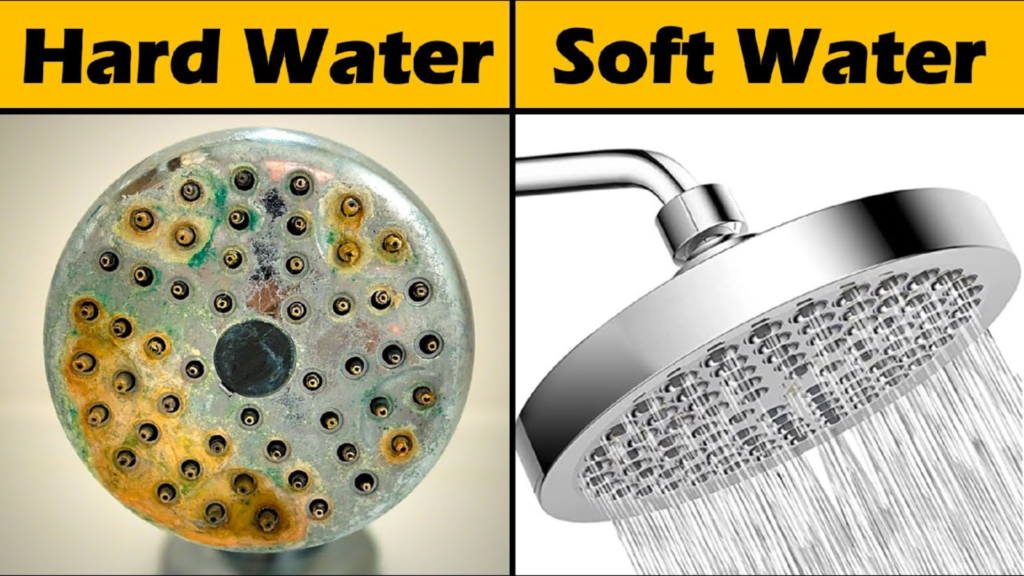
How Hard Water Affects Plumbing
While hard water isn’t harmful to your health, it can wreak havoc on your plumbing system:
- Pipe Scale Buildup: The minerals in hard water leave behind a chalky residue (limescale) inside pipes. Over time, this buildup restricts water flow and narrows the pipe diameter.
- Reduced Water Pressure: As scale accumulates inside plumbing lines, water pressure decreases. Showers may feel weaker, and fixtures may clog more frequently.
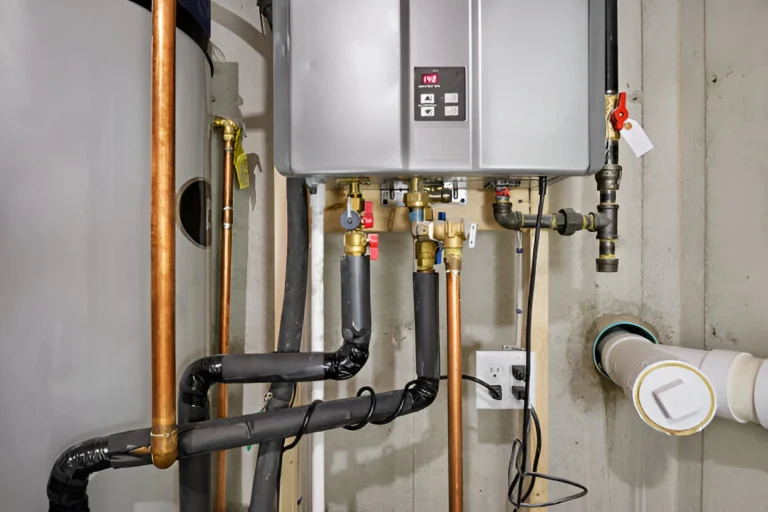
- Appliance Damage: Water heaters, dishwashers, and washing machines often suffer from mineral deposits, which reduce efficiency and shorten their operational lifespan.
- Increased Maintenance Costs: Homes with hard water face more frequent repairs, higher energy bills (especially for heating water), and early replacement of plumbing components.
How Soft Water Affects Plumbing
Soft water provides several benefits to your home’s plumbing system:
- Less Scale Buildup: Since soft water lacks heavy minerals, your pipes and appliances remain cleaner and more efficient.
- Improved System Efficiency: Soft water flows freely through pipes, reducing energy waste and improving appliance performance.
- Corrosion Concerns (Myth vs. Fact): While some people worry about soft water causing corrosion in older metal pipes, properly balanced softening systems pose no risk.
To learn more about water quality standards and how they impact your home’s plumbing and drinking water quality, visit the EPA website.
Comparing Maintenance & Repair Needs: Hard Water vs. Soft Water
| Aspect | Hard Water Homes | Soft Water Homes |
| Pipe Maintenance | Pipes often need cleaning or descaling because of mineral buildup. | Pipes stay cleaner, so less maintenance is needed. |
| Appliance Lifespan | Appliances like water heaters and dishwashers wear out faster due to scale. | Appliances last longer with fewer mineral deposits. |
| Energy Efficiency | Water heaters and appliances use more energy when clogged with scale. | Clean pipes and appliances run more efficiently. |
| Cost Over Time | You’ll likely spend more on repairs, energy bills, and replacing appliances. | Lower long-term costs thanks to less damage and better efficiency. |
Should You Invest in a Water Softener?
If you’re seeing signs of hard water in your home, installing a water softener might be a smart move. It can help protect your plumbing, improve appliance performance, and save money over time.
You should consider a water softener if:
- Your water test shows high mineral levels
- You live in an area known for hard water
- Your appliances (like water heaters or dishwashers) break down faster than expected
- You notice white scale buildup on faucets, showerheads, or inside kettles and heaters
Common Types of Water Softeners:
- Salt-Based Ion Exchange Systems: These are the most popular and effective. They remove minerals like calcium and magnesium using salt.
- Salt-Free Conditioners: These don’t remove minerals but reduce scaling with special filters. They’re low-maintenance and better for the environment.
- Magnetic or Electronic Descalers: These devices change the way minerals behave in the water using magnets or electric currents. They’re easy to install but less effective for very hard water.
Protect your plumbing system and improve your water quality today.
If you’re dealing with the effects of hard water like clogged pipes, inefficient appliances, or constant limescale buildup Steve & Weber Plumbing is here to help.
Call Steve & Weber Plumbing at or Schedule a consultation online to get started.